
Have you ever noticed those steel boxes stacked at ports or on construction sites and wondered what happens to them after their shipping days are over? These rugged containers are finding a second life in residential settings, transforming into garages, workshops, and storage solutions. This guide provides a comprehensive look at shipping container garages—from their practical benefits to creative uses, important considerations before purchasing, and answers to common questions. Whether you are considering one for vehicle storage, a hobby space, or extra room for belongings, this overview covers what to expect.
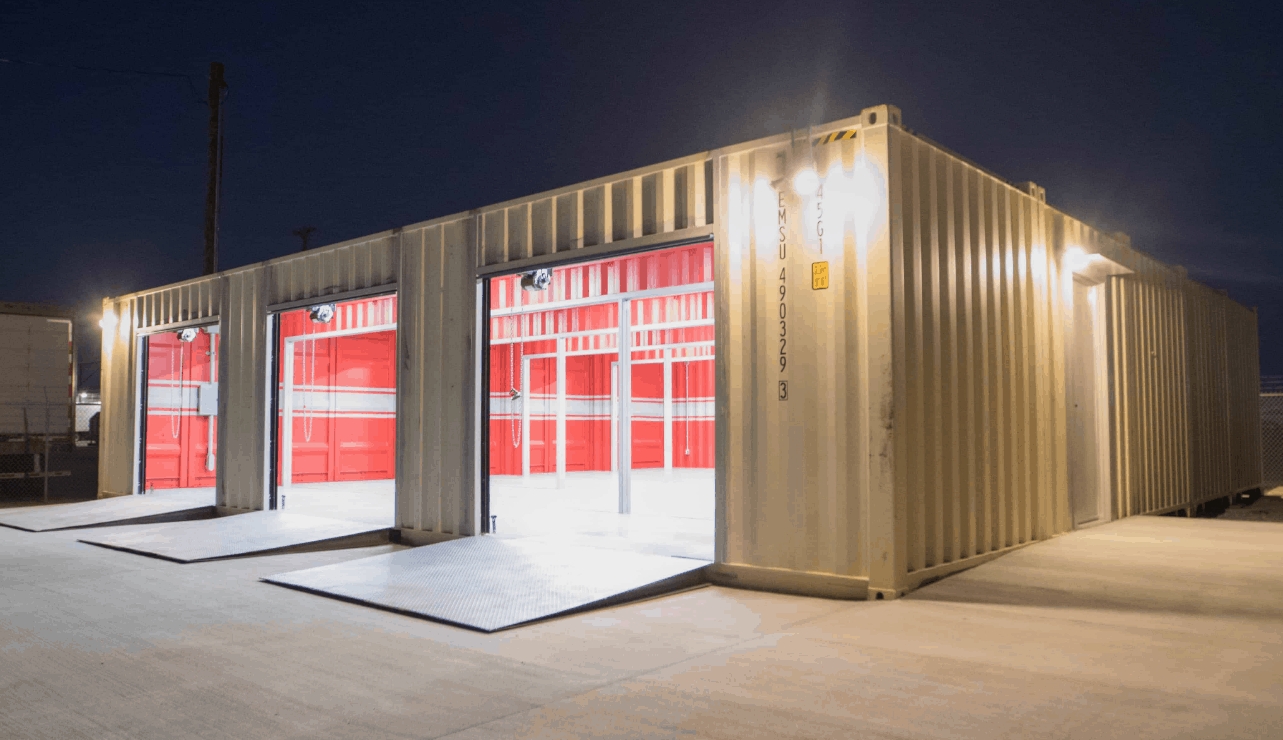
The Major Benefits of a Container Garage
Shipping containers were originally engineered to withstand harsh ocean conditions, which gives them unique characteristics when repurposed for land use. Their strength, adaptability, and value proposition offer advantages that differ from traditional construction methods.
Benefit 1: Impressive Durability and Security
The primary feature of a shipping container is its robust construction. Most containers are made from Corten steel, a weathering steel that develops a protective layer when expose to the elements, helping resist corrosion . This built-in toughness translates well to garage use.
- Weather resistance: Containers graded as Wind and Water Tight (WWT) effectively protect contents from rain, snow, and wind when properly maintained . They can withstand winds reaching 170 mph, making them suitable for areas prone to severe weather .
- Pest deterrence: The solid steel construction creates a barrier against rodents, termites, and other pests that commonly plague wooden structures.
- Physical security: A locked container provides a high level of security without vulnerable windows or flimsy doors. Adding steel lockboxes, heavy-duty padlocks, and motion-activated lights can further enhance protection .
Benefit 2: Cost Considerations
Building a traditional garage involves expenses for framing, siding, roofing, and foundation work. With a container, the main structure already exists, which can shift the budget picture. A 20-foot container typically costs between $2,500 and $4,000, with delivery adding $300 to $1,000 or more depending on location . After modifications like garage door installation ($500 to $1,500), insulation ($1,000 to $3,000), and finishing touches, total costs often range from $4,500 to $10,000 or more . By comparison, standard garage construction typically runs between $15,000 and $35,000 .
Benefit 3: Portability and Flexibility
Unlike traditional garages built on permanent foundations, a container garage retains its ability to be moved. This means if you relocate to a new property, the structure can potentially move with you . It also offers flexibility on the same property—if yard layouts change, the container can be repositioned by crane or truck. This modular nature also allows for future expansion by adding units side by side or stacking them .
Creative Ideas and Uses
While parking vehicles is the most obvious application, the rectangular interior space adapts to various functions with proper modifications.
Idea 1: Personal Workshop
A container provides a sturdy shell for woodworking, metal fabrication, or mechanical projects. The steel walls support heavy shelving, tool boards, and magnetic strips without concern about weight capacity . Electrical wiring can be installed for lighting and outlets to power tools. For year-round use, insulation and ventilation become important additions .
Idea 2: Secure Storage Space
For properties needing extra room, a container offers substantial storage capacity. A 20-foot container provides approximately 160 square feet of floor space with about 1,170 cubic feet of volume . This can accommodate one full living room set, two queen beds with frames, a dining table with chairs, and approximately 100 medium-sized boxes or totes . Construction applications include storing generators, scaffolding towers, tool chests, and bulk materials .
Idea 3: Emergency Shelter Foundation
In areas prone to extreme weather, containers can serve as a starting point for shelter construction. The inherent steel strength provides robust protection . Creating a functional shelter requires additional work including proper insulation, ventilation systems, backup power sources, and locking hardware operable from inside. It serves as a strong outer shell to build upon rather than a ready-to-use shelter.
Key Things to Consider Before Buying
Several practical factors deserve attention before purchasing a container garage.
Zoning and Permits: Local regulations vary significantly regarding shipping containers on residential property. Some areas prohibit permanent placement entirely , while others allow them with permits . Certain municipalities restrict placement to rear yards only, with limits of one container per property maintained in good condition free from rust and damage . Always check with local planning departments before purchasing.
Foundation Requirements: Containers need level, stable bases to prevent door binding and water accumulation. Common foundation options include:
- Gravel pad: Excavating, adding landscape fabric, and compacting crushed stone
- Concrete piers: Footings at corners and along sides to elevate the container
- Concrete slab: Permanent, level foundation providing solid floor
- Railroad ties or timber pads: Pressure-treated beams on compacted soil
Condensation Management: Unmodified containers often experience condensation when warm, moist air contacts cool steel surfaces . This can lead to moisture problems for stored items. Solutions include elevating the container to reduce ground moisture, adding ventilation openings, and installing insulation to create thermal barriers . Proper ventilation becomes particularly important—some regulations require specific vent placements near floor and ceiling levels for fire safety .
Insulation Options: For comfortable year-round use, insulation proves essential. Choices include spray foam (providing R-6 to R-7 per inch thickness), rigid board insulation like Celotex or Kingspan, or batt insulation within framed walls . Each approach affects interior space differently, with external insulation preserving more interior room.
Frequently Asked Questions
What are the standard sizes for container garages?
The most common sizes are 20 feet long and 40 feet long, both typically 8 feet wide. Standard height is 8.5 feet, while "high cube" containers offer 9.5 feet of height for additional headroom . Forty-foot containers provide approximately 320 square feet of floor space with about 2,390 cubic feet of volume .
How long do shipping container garages last?
With proper maintenance, a new one-trip container can last up to 50 years. Used containers that have already served years at sea typically deliver 20 to 25 additional years of service life . Regular maintenance including roof coating, door seal checks, and paint touch-ups helps maximize lifespan .
Do container garages require special ventilation?
Yes. Proper ventilation helps reduce condensation and, in some jurisdictions, is required for fire safety. Regulations may specify two ventilation openings—one near the floor and one near the ceiling on opposite ends—covered with mesh and kept clear of obstructions .
Can modifications like windows and garage doors be added?
Yes. Many companies specialize in cutting openings and installing roll-up garage doors, personnel doors, windows, skylights, and vents . Modifications should maintain structural integrity and follow local building codes.
What is the difference between new and used containers?
"One-trip" containers have made a single ocean voyage and remain in excellent condition with minimal wear. "Cargo-worthy" used containers remain structurally sound but show signs of service. "As-is" units may require repairs for holes, damaged seals, or bent framing .
References
- https://containerking.com/shipping-container-garage/
- https://www.moundcity.org/docs/article-7-shipping-containers/
- https://www.ukworkshop.co.uk/threads/insulating-a-shipping-container.60321/
- https://www.alibaba.com/product-insights/garage-container.html
- https://www.bettastorage.com.au/resources/use-case/can-you-use-a-shipping-container-as-a-garage/
- https://www.whistler.ca/business-development/land-use-and-development/shipping-containers/
- https://yescontainers.com/shipping-containers-top-frequently-asked-questions-faq-part-4/
- https://rentacontainer.com/what-can-you-really-fit-in-a-10ft-20ft-and-40ft-shipping-container/
- https://peb.steelprogroup.com/peb-structure/container-housing/garage-ideas/
- https://wcccd.prod-sitecore.wellingtoncity.cloud/parking-roads-and-transport/roads/working-on-the-road/shipping-containers