
Has it ever occurred to you that schools do not always teach everything needed to navigate the real world? Sure, there is mathematics and history, but what about things like handling emotions, talking to people confidently, or figuring out how to manage money? That is where a Life Skills Academy comes into the picture. These are specialized programs or schools designed to teach the essential, non-academic skills that help people succeed in daily life, work, and relationships.
This guide takes a closer look at what these academies are all about. It will walk through the different types of programs available, who might benefit from them, the kinds of skills they teach, and what someone might expect to get out of them. There are also sections on the benefits of learning these skills, how to get involved, and examples of various academies around the world, plus a FAQ section to answer common questions. The goal is to give a clear, all-around view of this growing field in education.
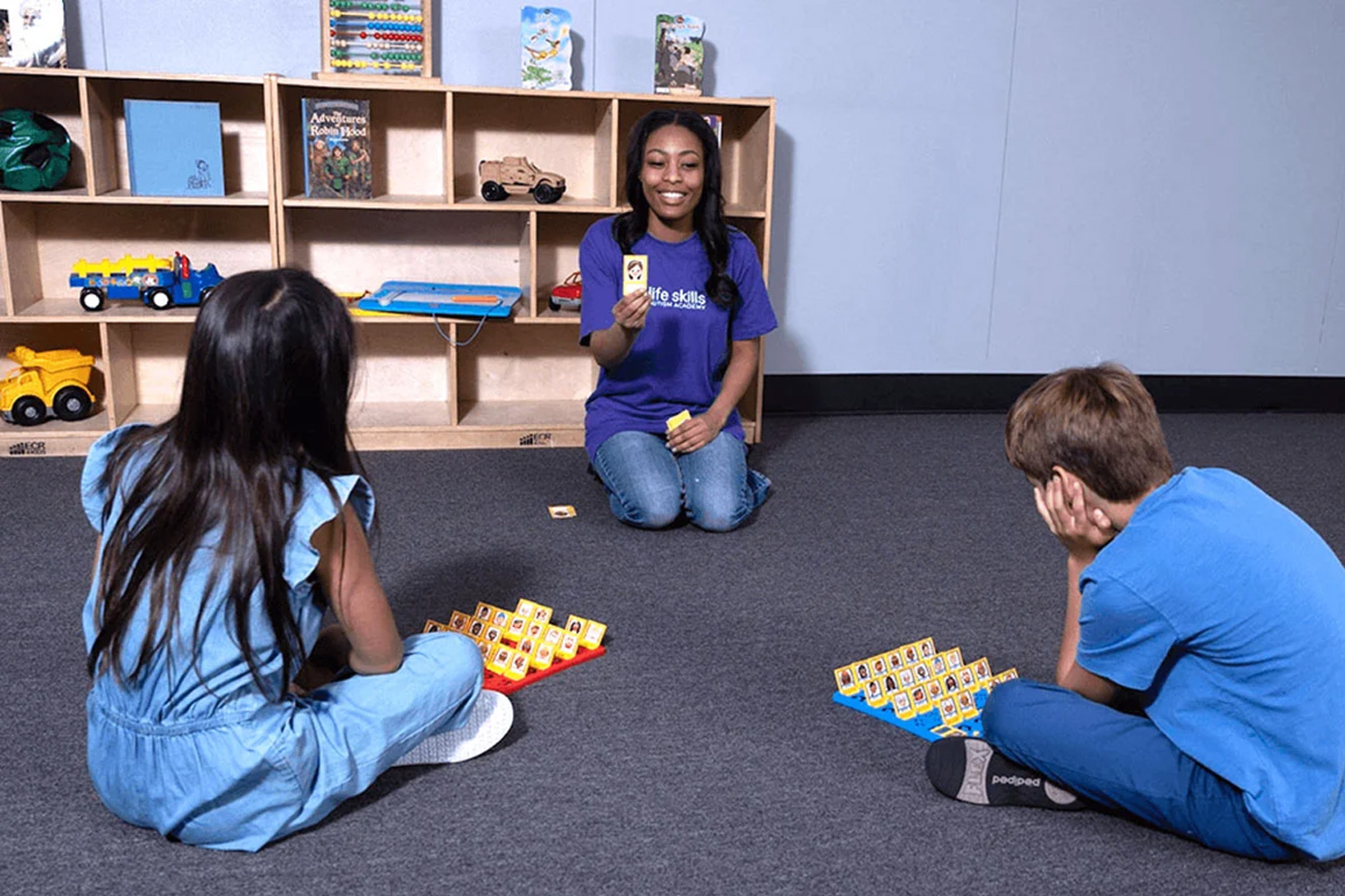
What Exactly Is a Life Skills Academy?
Think of a Life Skills Academy as a training ground for grown-up life. Unlike traditional schools that focus on academic subjects, these academies focus on building core competencies like communication, decision-making, self-awareness, and resilience. The curriculum is often hands-on and practical, designed to bridge the gap between classroom learning and the demands of the real world.
For example, some academies, like the one attached to Burton and South Derbyshire College in the UK, run short, intensive programs where young adults practice mock interviews, learn to write a CV, and tackle public speaking challenges. Others might be longer-term, like the Keystone State ChalleNGe Academy in the US, which is a residential program that combines life coping skills with physical fitness and academic improvement over several months. The core idea is consistent: to equip individuals with the tools they need to build a stable, successful, and fulfilling life.
Who Might Find a Life Skills Academy Useful?
Life skills training is not just for one type of person. It can be valuable for a wide range of individuals at different stages of life.
- Young Children: Programs for younger kids often focus on foundational skills like understanding emotions, making friends, and staying safe. For instance, a structured curriculum for early grades might teach children how to apologize, share, or manage simple disagreements with classmates.
- Teenagers and Young Adults: This is a common age group for these programs. Teens might be preparing to enter the workforce or live independently for the first time. A program can help them build confidence, understand how to present themselves professionally, and develop the resilience to handle setbacks. The Make It Happen Academy in the UK, for example, worked with 16-to-18-year-olds to boost their job-ready skills.
- Individuals with Special Needs: Some life skills programs are specifically tailored for people with disabilities or learning difficulties. These courses focus on practical independence, such as learning to navigate public transport, manage a personal budget, or build social connections in the community. Newcastle College offers a course specifically designed to support students with special educational needs and disabilities in preparing for adulthood.
- Anyone Feeling Stuck or Looking for a Change: Sometimes, adults or at-risk youth need a structured environment to get back on track. Programs like the Keystone State ChalleNGe Academy are designed for teens who are having difficulty in traditional high school, offering them a second chance to earn credits or a GED while learning discipline and responsibility.
The Benefits of Learning Life Skills
Participating in a life skills program can offer a range of advantages that extend far beyond the classroom. These skills are often the foundation for a more stable and satisfying life.
- Increased Confidence: Learning how to communicate effectively, solve problems, and handle social situations can significantly boost a person's self-esteem. Knowing how to act in a job interview or how to resolve a conflict with a friend provides a sense of capability.
- Better Relationships: Skills like active listening, empathy, and clear communication are essential for building and maintaining strong personal and professional relationships. Understanding one's own emotions also helps in relating to others.
- Greater Independence: Practical skills such as budgeting, cooking, and basic first aid allow individuals, especially young adults or those with special needs, to live more independently and manage their own daily lives with less reliance on others.
- Improved Employability: Employers often value "soft skills" as much as technical abilities. Skills like teamwork, problem-solving, professionalism, and resilience are highly sought after in the workplace and can open doors to more job opportunities.
- Enhanced Resilience: Life inevitably comes with challenges. Life skills training helps individuals develop the mental and emotional tools to cope with stress, adapt to change, and bounce back from setbacks more effectively.
Common Types of Life Skills Programs
Life skills training comes in many shapes and sizes. The structure often depends on the age group and the goals of the program.
| Program Type | What It Involves | Who It Might Suit |
|---|---|---|
| School-Integrated Curriculum | A structured set of lessons integrated into the regular school day, covering themes like emotional intelligence, conflict resolution, and goal-setting. | Primary and secondary school students. |
| Intensive Short Courses | Workshops or camps lasting a few days to a few weeks, focusing on specific skills like public speaking, teamwork, and career preparation. | Teenagers and young adults preparing for work or further study. |
| Long-Term Residential Programs | A multi-month, live-in program with a strict schedule that includes academics, physical training, and community service, followed by a long mentorship phase. | At-risk youth needing a highly structured environment to make significant life changes. |
| One-on-One Mentoring | Personalized, confidential coaching sessions (in-person or online) that focus on the individual's specific goals and challenges. | Individuals of all ages who prefer a tailored approach. |
| Specialized Academies | Full-time schools where life skills training is part of the core philosophy, often blended with academics or athletics. | Students and families seeking a holistic educational environment. |
What Does the Training Cover?
The curriculum at a life skills academy can be surprisingly broad. While specific courses vary, most programs cover a core set of themes designed to build a well-rounded individual.
- Personal Development: This is often the starting point. It includes building self-awareness, identifying personal strengths and weaknesses, managing stress, and understanding one's own emotions. Some programs, like the one at IMG Academy, have specific modules on building confidence and handling pressure.
- Interpersonal Skills: Learning how to interact effectively with others is a huge part of life skills training. This covers communication (both verbal and non-verbal), active listening, empathy, and teamwork. Younger students might practice polite behavior, while older ones might work on negotiation and conflict resolution.
- Practical Daily Living Skills: This is the hands-on stuff needed for independence. Topics can include basic first aid, cooking, understanding healthy lifestyles, and simple money management. For students with special needs, this might be the central focus of their program.
- Career and Professional Skills: For teens and young adults, many programs include a focus on the future. This can involve writing a resume, practicing for job interviews, understanding professional communication like email writing, and learning how to search for a job online.
A Look at Some Life Skills Academies Around the World
To see these ideas in action, here are a few examples of organizations and schools that have built their reputation on life skills development.
- Life Skills Academy (Henderson, Nevada, USA): This academy, part of the larger Acton Academy network, is designed for children and pulls from various educational models, including Montessori and modern technology. It focuses on hands-on projects, Socratic discussions, and self-paced learning to nurture creative thinking and real-world skills.
- IMG Academy (Bradenton, Florida, USA): Known for its athletics, IMG Academy has a comprehensive "Athletic and Personal Development" (APD) program. It teaches skills like coachability, focus, resilience, and leadership alongside traditional academics. The goal is to create well-rounded student-athletes prepared for life beyond sports.
- AASuccess (Virginia, USA): This organization runs a Life Skills Academy built around one-on-one mentoring. Students work on character building, communication, and project management by working on real community service projects. The program has different levels, guiding students from basic skill development to community leadership roles.
- Keystone State ChalleNGe Academy (Pennsylvania, USA): A program run by the National Guard, this is a residential option for teens aged 16-18 who are at risk of dropping out of school. It focuses on eight core components, including life coping skills, job skills, and responsible citizenship, all within a military-style structure.
- Make It Happen Academy (Burton-on-Trent, UK): This is an example of a short-term, intensive program. Delivered by a communications firm in partnership with a local college, it gives young students a three-day bootcamp in interview skills, CV writing, and public speaking to boost their confidence and make them more job-ready.
How to Enroll in a Life Skills Academy
Getting involved in a life skills program usually involves a few straightforward steps. The exact process can vary depending on the type of program and the organization running it.
- Identify Personal Goals: The first step is to think about what skills an individual wants to develop. Are they looking for help with social confidence, career preparation, independent living skills, or something else? Having a clear idea helps in finding the right program.
- Research Available Programs: Look for local community colleges, non-profit organizations, school districts, or private academies that offer life skills training. Online searches can be a good starting point. It is important to check the program's focus, the age group it serves, and its structure (e.g., short course, long-term program).
- Check Admission Requirements: Programs may have specific requirements. Some might be open to anyone, while others might be designed for a particular group, such as students from a certain school district or young people meeting specific criteria. Residential programs often have an application process.
- Contact the Program Organizers: Reaching out to the program coordinators is a useful way to get detailed information. They can explain the curriculum, schedule, costs (if any), and the enrollment process. Many programs have websites with contact forms or phone numbers.
- Complete the Application Process: This might involve filling out a form, providing some background information, and possibly attending an interview or orientation session. For mentorship programs, there might be a meeting to match the individual with a suitable mentor.
Frequently Asked Questions (FAQ)
Q. At what age can someone start life skills training?
A. Life skills training can begin at a very young age. Some schools have curricula for children as early as Grade 1, focusing on basic emotions and social skills. There are also programs designed for teenagers, young adults, and even working professionals looking to enhance their leadership skills.
Q. How long does a typical program last?
A. It varies widely. Some are short and intense, lasting just a few days. Others run for several weeks or months, and some are integrated into the school year, meeting weekly. Mentorship programs can even last for a couple of years.
Q. What kind of certificate do you get at the end?
A. This depends on the program. Some might provide a certificate of completion that shows you finished the course. Others might be linked to a formal qualification, like an Entry Level Award in Personal Progress. It is always a good idea to check what a specific program offers before enrolling.
Q. Are these programs only for people who are struggling?
A. Not at all. While some programs are designed to help at-risk youth, many are for anyone who wants to build specific skills. High-achieving students at places like IMG Academy use life skills training to enhance their performance in sports and academics. Professionals might seek out training to become better leaders. It is about personal growth for people at all levels.
Q. Is the training done in a group or individually?
A. Both options are available. Many school-based programs are done in groups to encourage teamwork and social learning. However, some organizations also offer one-on-one mentoring sessions, which can be tailored to a person's specific needs and can be done in person, over the phone, or through video calls.
Q. Does it cost money to join these programs?
A. Some programs are offered at no cost through schools or community organizations. Others, especially private academies or specialized courses, may have tuition or fees. It is best to inquire directly with the program about any associated costs.
Reference Links
- https://worldkings.org/news/other-tops/worldkings-top-50-life-skills-courses-in-the-world-p-7-life-skills-academy-usa-an-environment-to-nurture-creative-potential-for-children
- https://dncschool.edu.vn/en/life-skills-and-eq-development-curriculum-framework-for-students-from-grade-1-to-grade-5-at-dnc-school/
- https://www.greaterbirminghamchambers.com/resource/college-students-become-first-graduates-of-life-skills-and-careers-academy.html
- https://t4.education/5-prizes-finalists-winners/img-academy/
- https://aasuccess.org/life-skills-academy/
- https://www.ncl-coll.ac.uk/courses/775002003890893/life-skills-preparing-for-adulthood
- https://www.pa.gov/agencies/dmva/about-dmva/newsroom/keystone-state-challenge-academy-for-at-risk-teens-graduates-lar
- https://www.legacyfoundationcorporation.org/faqs