
Thinking about updating your bathroom with a walk-in shower? This popular feature is known for its clean, open feel and accessibility. Unlike traditional shower enclosures with high steps or bulky frames, a walk-in shower typically features a low or zero-threshold entry, creating a seamless look. This guide provides an overview of walk-in showers, covering popular design styles, key installation and design tips, current trends, important factors to consider, and how to choose a contractor. It concludes with a section of frequently asked questions.
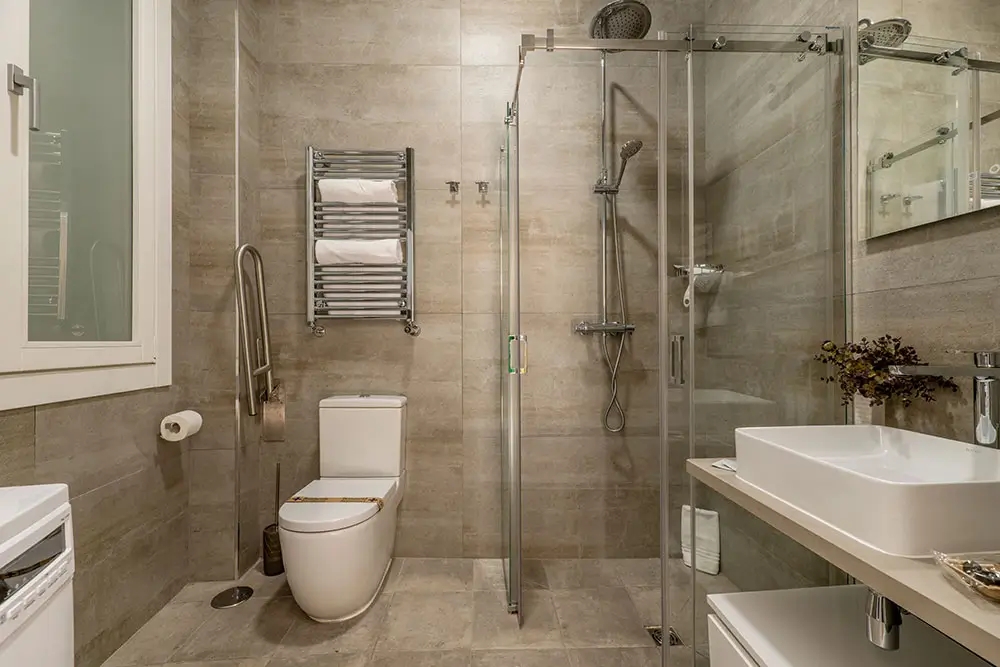
Popular Design Styles for Walk-In Showers
Walk-in showers can be adapted to various bathroom aesthetics. Here are some common design approaches:
StyleKey CharacteristicsCommon Material & Finish ChoicesMinimalist & ContemporaryClean lines, uncluttered look, often with frameless glass panels. Focus on simplicity and open space.Large-format tiles, neutral colors (whites, greys), sleek chrome or matte black fittings, hidden drains.Spa-Inspired & NaturalCreates a relaxing, retreat-like atmosphere. Emphasizes natural textures and a connection to nature.Stone or wood-look tiles, pebble flooring, rainfall showerheads, incorporated natural light or greenery.IndustrialUtilitarian and edgy aesthetic with raw, unfinished elements.Concrete-look tiles or microcement, exposeds pipework, metal grids, dark metal fittings.TransitionalBlends traditional elegance with contemporary clean lines. A balanced, timeless look.Subway tiles, classic patterns (like herringbone), a mix of brushed nickel and modern fixtures.
Key Installation and Design Tips
Successful walk-in shower installation relies on several technical and design fundamentals:
- Waterproofing is Paramount: A proper waterproofing membrane (often called a "tanking" system) beneath the tiles is non-negotiable. This layer must be correctly installed across the entire floor and up the walls to prevent leaks and water damage.
- Plan the Drainage: The slope of the floor (pre-slope) must be carefully calculated to guide all water effectively to the drain. Linear drains (a long, narrow channel) are popular for their sleek look and placement flexibility.
- Choose Appropriate Glass: Tempered safety glass is required for shower enclosures. The thickness (typically 10mm or 12mm for frameless panels) affects stability. Clear glass maintains an open feel, while frosted options provide more privacy.
- Consider Heating and Ventilation: Underfloor heating can make a tiled shower area more comfortable. An effective extractor fan is crucial to manage steam and prevent mold growth.
Current Trends
Several trends are shaping contemporary walk-in shower choices:
- Frameless Glass Enclosures: Maximizing the sense of space and light by using thick glass with minimal hardware remains a top preference.
- Large-Format Tiles: Using bigger tiles on walls and floors reduces grout lines, creating a cleaner, more expansive visual and simplifying cleaning.
- Smart & Accessible Features: Thermostatic mixers for precise temperature control, and built-in features like benches, niches for toiletries, and grab bars (designed stylishly) are increasingly integrated from the start.
- Bold Accents: While bases are often neutral, feature walls with patterned, textured, or colored tiles are a common way to add personality.
Important Considerations Before Installation
- Assess Your Space: A walk-in shower can work in various sizes, but sufficient space is needed for the shower area itself and a safe entry/exit zone. In very compact bathrooms, a shower tray with a low threshold might be a practical alternative to a fully tiled, level-access wet room.
- Professional Installation is Key: Due to the critical importance of waterproofing and sloping, engaging a qualified professional is highly recommended. Proper installation helps avoid very costly future repairs.
- Think About Maintenance: While stylish, large glass panels require regular cleaning to prevent water spots. The choice of tile finish (gloss vs. matte) can also affect cleaning ease.
- Budgeting: Costs vary widely based on size, materials, and complexity. Custom tiling, frameless glass, and high-end fittings represent a different price point than basic prefabricated kits. Setting a clear budget early helps guide material selections.
How to Choose the Right Contractor
Selecting the right contractor is crucial for the success of the project. The following steps can be taken for evaluation:
- Multi-Channel Search and Initial Screening: Look for potential contractors through local word-of-mouth recommendations, online directories from industry associations, or reputable home renovation platforms. Review their past project portfolios, especially checking for experience with similar walk-in shower constructions.
- Verify Credentials and Insurance: Confirm that the contractor holds the necessary business licenses and is adequately insured with workers' compensation and liability insurance. This protects the homeowner from financial risks associated with accidental damage or injury during construction.
- Obtain and Compare Detailed Quotes: Request written quotes from at least two to three contractors. A detailed quote should itemize material specifications, brand/model numbers, labor costs, timeline, and payment schedule, rather than just providing a total price. This facilitates objective comparison and helps prevent unexpected additional charges later.
- Check Past Reviews and Assess Communication: Read their online reviews and proactively ask for references from previous clients. During face-to-face communication, evaluate whether they listen patiently to your needs and provide professional, clear answers to questions. Good communication is the foundation of smooth collaboration.
- Review Contract Details: Before signing the contract, ensure that all work scope, materials to be used, warranty terms (covering both workmanship and materials), timeline, and cleanup responsibilities are clearly and accurately written into the contract.
Frequently Asked Questions (FAQ)
Q: Are walk-in showers suitable for small bathrooms?
A: They can be, as the visual openness can make a space feel larger. Careful planning is essential to use the available footprint efficiently, perhaps using a single glass panel instead of a full enclosure.
Q: Is a walk-in shower more likely to leak than a standard shower?
A: Not if installed correctly. The principle of a fully waterproofed tanked area is fundamentally sound. The risk arises from poor workmanship, highlighting the importance of hiring a skilled installer.
Q: What is the difference between a walk-in shower and a wet room?
A: A wet room involves waterproofing the entire bathroom floor, with the shower area openly draining from any part of the room. A walk-in shower is a defined zone, usually with at least one glass screen, where the waterproofing is contained to the shower area.
Q: Can a walk-in shower add value to a home?
A: An updated, well-designed bathroom is generally seen as a positive feature by potential buyers. A stylish and accessible walk-in shower often aligns with modern preferences, which can be appealing in the housing market.
Sources and Data References:
- https://www.thisoldhouse.com/bathrooms
- https://www.bobvila.com/articles/walk-in-shower
- https://www.thespruce.com/walk-in-shower-ideas-4587596
- https://www.houzz.com/magazine/walk-in-shower-designs-stsetivw-vs~151932
- https://www.familyhandyman.com/project/how-to-build-a-walk-in-shower
- https://www.build.com/learning-center/walk-in-showers
- https://www.architecturaldigest.com/story/walk-in-shower-ideas
- https://www.homeadvisor.com/cost/plumbing/install-shower
- https://www.fixr.com/costs/walk-in-shower
- https://www.nahb.org/other/consumer-resources/remodeling
- https://www.nkba.org/design/bathroom-design
- https://www.cpsc.gov/safety-education/safety-guides/bathroom
- https://www.innovatebuildingsolutions.com/blog/walk-in-shower-vs-wet-room