
Thinking about giving your garden a fresh look? A garden renovation, or landscaping project, is about more than just planting a few new flowers. It's a process of rethinking and reshaping your outdoor space to better suit your lifestyle, whether that means creating a vibrant social area, a productive vegetable patch, or a tranquil retreat. This guide provides an overview of common approaches to garden renovation. It outlines different project types, key considerations for planning, the typical process from idea to completion, and important factors like budget. It concludes with answers to frequently asked questions.
What is Garden Renovation? Types and Scope
Garden renovation involves making intentional changes to the layout, features, and planting of an outdoor area. The scale can vary significantly, generally falling into a few main categories:
- A Full Redesign or Overhaul: This is the most comprehensive option. It often involves changing the hardscape (like patios, paths, and walls), addressing drainage or soil issues, installing new irrigation or lighting systems, and putting in entirely new planting beds. It offers maximum creative freedom to solve existing problems and create a completely new space.
- A Partial Update or Focused Makeover: This approach keeps the main garden structure but refreshes key parts. Examples include repaving a worn patio, replacing a lawn with a lower-maintenance ground cover, building a new raised bed for vegetables, or redesigning a single border with new shrubs and perennials.
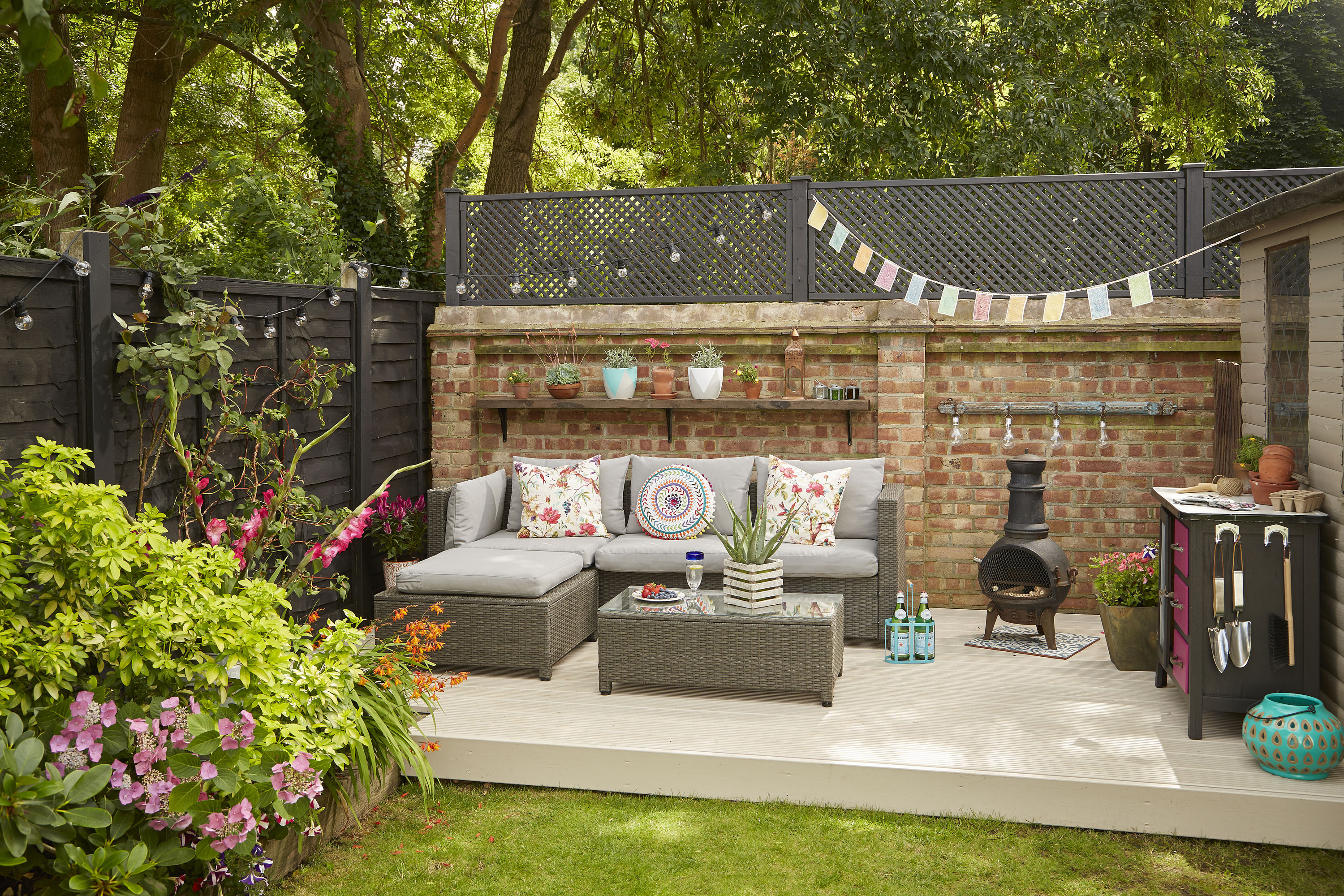
- A Cosmetic Refresh: The least invasive option focuses on quick visual impact. This can be achieved through activities like adding container plants, laying new mulch in beds, installing a water feature or new garden furniture, and pruning or relocating existing plants to improve the view.
Key Considerations in the Planning Phase
Successful renovations start with clear planning. Common priorities include:
- Defining Function and Use: How should the space be used? Is the goal to have a dining area, a play space for children, a wildlife-friendly habitat, or a combination? Identifying primary and secondary functions guides all other decisions.
- Assessing Conditions and Maintenance: It is helpful to note sun and shade patterns, soil type, and drainage. Matching plants to these conditions promotes health and reduces upkeep. Considering long-term maintenance is important; opting for native plants or drought-tolerant species can save time and resources.
- Design and Style Cohesion: The garden can be seen as an extension of the home. Considering style continuity—whether formal, cottage-style, modern, or naturalistic—helps create a cohesive feel. Elements like color schemes, materials (wood, stone, metal), and focal points contribute to the overall atmosphere.
- Budget and Phasing: Renovation costs can vary widely. Establishing a realistic budget early on is a practical step. For larger projects, breaking the work into manageable phases over several seasons can be a viable approach.
The Typical Renovation Process
A structured process helps manage a garden project.
- Vision and Assessment: This initial phase involves identifying goals, noting problems with the current space, and researching ideas. A site analysis looking at sun, wind, soil, and views is often useful.
- Design and Planning: Ideas are translated into a plan. This can range from a simple sketch to a formal landscape design. Key elements like seating areas, paths, planting zones, and features are decided upon.
- Preparation and Hardscaping: The existing space is prepared, which may involve clearing, demolition, or soil improvement. Construction of any non-plant elements—like patios, decks, fences, or irrigation systems—is typically done first.
- Planting and Softscaping: This phase involves placing plants according to the design, installing lawns or other ground covers, and adding finishing layers like mulch or compost to planting beds.
- Finishing Touches and Review: The final step includes adding movable elements like furniture, pots, and lighting, followed by an initial watering-in and care of new plants.
Cost Considerations and Influencing Factors
Costs for garden renovations are highly variable. They depend on project scale, material choices, and whether professional labor is used. The table below provides a general reference.
| Project Type | Typical Scope | General Cost Indicator* |
|---|---|---|
| Major Redesign | New hardscaping, soil work, irrigation, professional design, mature plants. | A significant investment, often ranging from several thousand to tens of thousands of dollars/pounds, depending on size and complexity. |
| Focused Makeover | Updating one or two key features, like a patio or a main border, with some new plants. | A moderate investment, often in the range of a few thousand dollars/pounds. |
| Cosmetic Refresh | New mulch, container plants, accessories, and minor plant additions. | A lower-cost option, potentially achievable for a few hundred dollars/pounds. |
*These are broad estimates. Actual costs depend on garden size, material quality (e.g., natural stone vs. concrete pavers), plant size/quantity, and local labor rates. Detailed quotes from landscapers are recommended for specific budgets.
Project Considerations for Different Needs
The motivation for renovation can influence choices.
- For Families with Children: Durable, safe spaces with room for play are often priorities. Considerations might include soft surfacing, sturdy plants, and defined zones for different activities.
- For Entertaining and Socializing: Creating comfortable, welcoming seating and dining areas is key. Features like built-in seating, outdoor kitchens, fire pits, and atmospheric lighting may be considered.
- For Low Maintenance and Sustainability: Reducing upkeep and supporting local ecology can be goals. This might involve using native plants, replacing lawns with gravel gardens or perennial meadows, and installing efficient irrigation like drip systems.
Frequently Asked Questions (FAQ)
Q: How long does a garden renovation typically take?
A: The timeline varies greatly. A cosmetic refresh might be a weekend project. A partial makeover could take several days to a couple of weeks. A full redesign with construction can take several weeks or even months, especially if phased or dependent on plant availability and weather.
Q: Is professional help necessary for a garden renovation?
A: Not always. Homeowners can successfully undertake cosmetic refreshes and some partial projects. For complex hardscaping, electrical work, or designing a cohesive layout from scratch, consulting with or hiring a professional landscaper or garden designer can be beneficial.
Q: What are some ways to manage renovation costs?
A: Setting a clear budget with a contingency is a standard first step. Phasing the project over time can spread out costs. Simplifying designs, comparing material options, and propagating plants from existing ones or choosing smaller specimens to grow in can contribute to managing expenses.
Sources and Data References:
- https://www.landscapemanagement.net
- https://www.thisoldhouse.com/gardening
- https://www.thespruce.com/garden-design-4127750
- https://www.bhg.com/gardening/landscaping-projects
- https://www.angieslist.com/articles/landscaping-cost.htm
- https://www.homeadvisor.com/cost/landscape
- https://www.fixr.com/costs/landscaping
- https://www.bobvila.com/articles/landscaping-cost
- https://www.nal.usda.gov/gardens
- https://www.epa.gov/watersense/landscaping
- https://www.fs.usda.gov/inside-fs/delivering-mission/apply/sustainable-landscaping
- https://www.rhs.org.uk/garden-design
- https://www.gardeners.com/how-to/garden-design