
This article delves into the profound significance of play in nurturing a child's growth, offering insights into how different forms of play contribute to their physical, emotional, social, and cognitive development. It aims to enlighten parents and caregivers about the diverse benefits of both spontaneous and organized play activities.
Unlock Your Child's Potential Through the Power of Play
The Foundational Importance of Engaging in Play During Childhood
Engaging in playful activities is paramount for a child's educational journey and overall maturation. Through various forms of play, children are presented with abundant opportunities and contexts for acquiring new knowledge and skills.
Holistic Benefits: How Play Cultivates Essential Life Skills
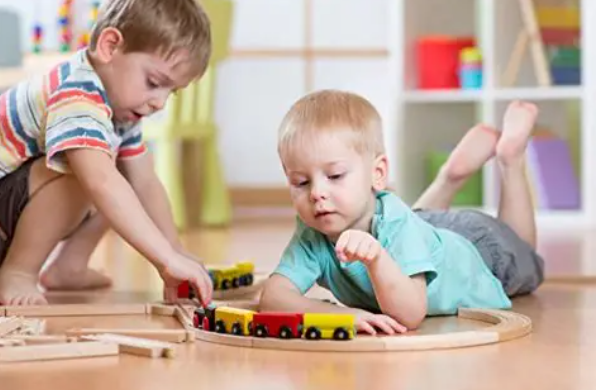
Beyond simple entertainment, play significantly contributes to several critical aspects of a child's development. It serves as a powerful tool to foster self-assurance, instill a sense of being cherished, joyful, and secure, and expand their comprehension of the world around them. Furthermore, play is instrumental in honing social interactions, language proficiency, and communication abilities. It teaches children the value of compassion for others and environmental stewardship, alongside enhancing their physical capabilities.
Exploring the Spectrum of Play: Spontaneous vs. Organized Activities
Play manifests in two primary forms: unstructured, spontaneous engagement and structured, organized activities.
Embracing Spontaneity: The Dynamics of Unplanned, Free Play
Unstructured play is characterized by its unplanned nature, emerging organically from a child's current interests. This free-form exploration is vital because it empowers children to tap into their imaginative faculties and progress at their own individual pace. Its unpredictable essence, often involving unforeseen obstacles, helps children cultivate resilience. Moreover, this type of play can profoundly benefit infant and child mental well-being by equipping them with strategies to manage stress.
Examples of Unfettered Imagination: Activities in Unstructured Play
Instances of unstructured play may include solitary or collaborative creative endeavors, such as artistic pursuits or musical games. Imaginative scenarios, like constructing forts from household items, dressing up, or engaging in make-believe, are also common. Playing in novel or familiar environments like closets, backyards, or parks further exemplifies this type of engagement. The Framework of Fun: Understanding Structured Play
This form of play is often more appealing and beneficial for older children.
Guided Growth: Illustrations of Structured Play Activities
Examples of structured play encompass outdoor sports like kicking a soccer ball, water safety classes for young children or swimming lessons for older ones, and storytelling sessions at local libraries for toddlers and preschoolers. Dance, music, or drama classes are suitable for children across all age groups. Family-oriented board or card games also fall under this category, as do adapted sports for slightly older children, such as junior cricket, basketball, netball, introductory rugby, and football programs.